
Summary
- England's £2 single bus fare cap will be paid for by "re-prioritising" government funds, Andy Burnham says
- Earlier, the prime minister announced fares would be capped from January and throughout 2027 in all areas outside London - the capital has its own £1.75 limit
- There will also be extra funding for Scotland, Wales, and Northern Ireland - though they're not obliged to introduce the same policy
- The bus fare cap is expected to cost more than £500m, with funds largely coming from reallocated Department for Energy Security and Net Zero money
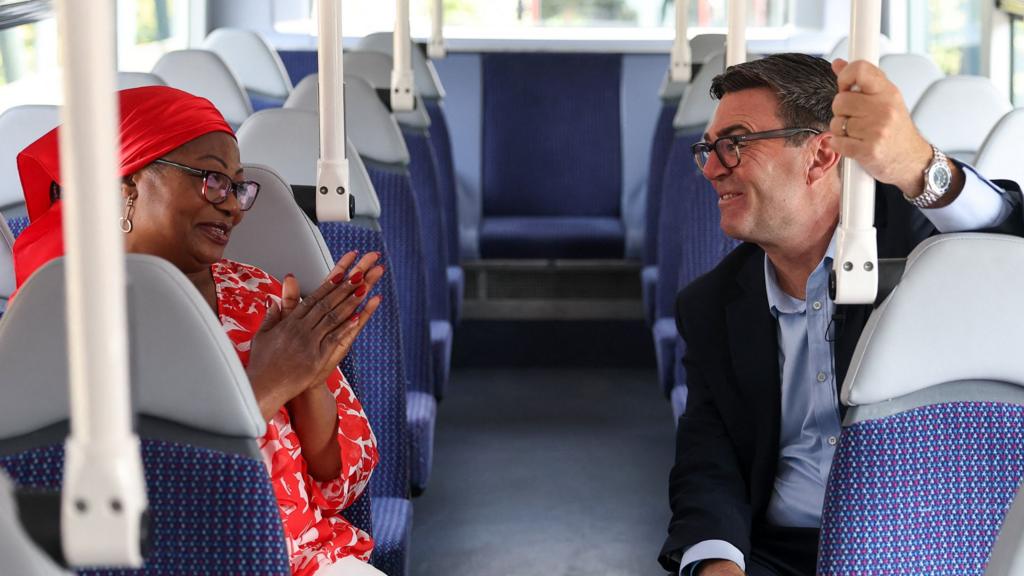
- On a visit to Bath - where he met the "Bus Aunty" - Burnham also says there is "no commitment" to increasing the tax-free personal allowance
- I wish I had waited for the £2 cap, jokes one man who travelled from Land's End to John O'Groats when the cap was £3
Published at 08:33
Most bus fares in England to be capped at £2 but Burnham faces funding criticism

Malu Cursino
Live reporter
In his second full day in office, Prime Minister Andy Burnham announced that a £2 cap on bus fares in England will be reinstated from January and be in effect throughout 2027.
For some, like in Manchester and Liverpool, they are already operating a £2 cap scheme, and while there will be extra funding for the devolved nations, there is no obligation for them to introduce the policy.
While welcoming the policy to support families with the cost of living, opposition politicians criticise the funding, length of the scheme, and say it does not go far enough.
Live reporter
In his second full day in office, Prime Minister Andy Burnham announced that a £2 cap on bus fares in England will be reinstated from January and be in effect throughout 2027.
For some, like in Manchester and Liverpool, they are already operating a £2 cap scheme, and while there will be extra funding for the devolved nations, there is no obligation for them to introduce the policy.
While welcoming the policy to support families with the cost of living, opposition politicians criticise the funding, length of the scheme, and say it does not go far enough.
The government this morning insisted the scheme is paid for. They said it will cost more than £500m, £400m of which comes from replacing grants for international climate projects with loans.
Burnham later told journalists that the fare is "fully funded" by "re-prioritising" the government's budget.
This drew criticism from ActionAid UK, who warned against diverting money away from these overseas initiatives as it risks "penalising those most impacted by a climate crisis they did not create".
Throughout the day several people shared with the BBC how the change would affect their pockets. While many people voiced relief, a few expressed frustration - more on that in our previous post.
We're now wrapping up our coverage but our transport correspondent, Katy Austin, has the latest on this story.
Published at 08:19
'Delusional' or 'Delighted'? BBC readers share their thoughts on Burnham's bus plans
Tara Mewawalla
Live reporter
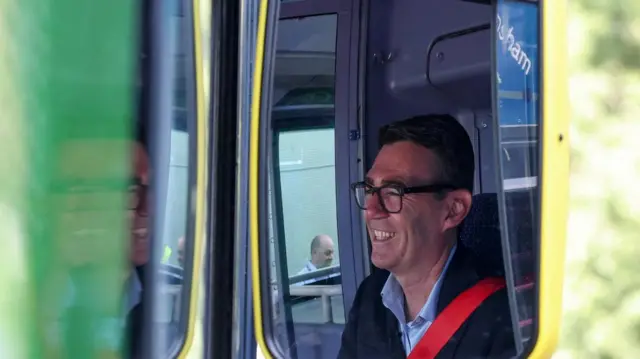 Image source,PA Media
Throughout the day we've been hearing your thoughts on Andy Burnham's pledge to cap most single bus fares at £2 in England from January.
Responses have been mixed - Sarah Bodger, who owns a wool shop in Royal Leamington Spa, says the cost of her two-hour bus journey to and from work is "crippling", and the cap will save her over £500 a year.
Whereas Seb Pelisse, who lives in Chertsey in Surrey but works in London, told the BBC it is "a little delusional to think this will help most people". He wants the government to reduce the cost of train fares because his commute is "horrendously expensive".
Similarly, Mark Tait who lives near Durham, says commuting via bus is "not always possible" because he works 13 miles away from home and he would prefer a cut on fuel duty.
However, Maisie in Coventry told BBC's 5 Live the cap will encourage "young people to go outside and make friends... have fun". The policy would have saved her £3 on each morning bus journey to college.
And Susannah in Glastonbury is "delighted" to hear Burnham is going to "apply himself to buses", adding she says she wants him to go even further and be "more ambitious", building a "reliable, frequent, swift" bus system.
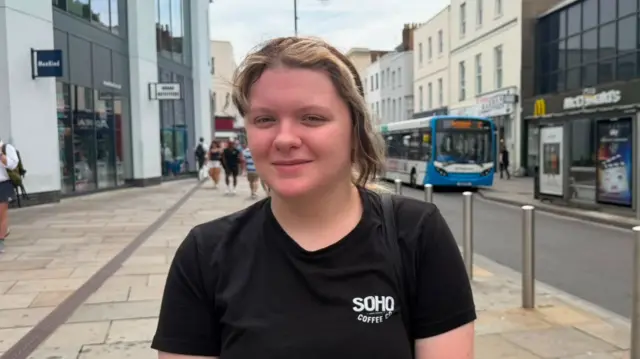 Image source,Izzy Marsden
Coffee shop worker Izzy Marsden tells BBC Newsbeat, as a regular bus user, she welcomes prices being capped at £2.
The 19-year-old takes the bus at least six times a week, so she’s set to save £24 each month from January - the price of a single is £3 in Cheltenham.
"A pound can go a long way sometimes," she says.
Izzy hopes the price drop encourages more people to take the bus, but also questions whether it's the right priority for the new government.
"I don't think that focusing specifically on buses is the way forward," she says. “They should be focusing a lot more on living costs, specifically housing".
Published at 07:47
Live reporter
Image source,PA MediaThroughout the day we've been hearing your thoughts on Andy Burnham's pledge to cap most single bus fares at £2 in England from January.
Responses have been mixed - Sarah Bodger, who owns a wool shop in Royal Leamington Spa, says the cost of her two-hour bus journey to and from work is "crippling", and the cap will save her over £500 a year.
Whereas Seb Pelisse, who lives in Chertsey in Surrey but works in London, told the BBC it is "a little delusional to think this will help most people". He wants the government to reduce the cost of train fares because his commute is "horrendously expensive".
Similarly, Mark Tait who lives near Durham, says commuting via bus is "not always possible" because he works 13 miles away from home and he would prefer a cut on fuel duty.
However, Maisie in Coventry told BBC's 5 Live the cap will encourage "young people to go outside and make friends... have fun". The policy would have saved her £3 on each morning bus journey to college.
And Susannah in Glastonbury is "delighted" to hear Burnham is going to "apply himself to buses", adding she says she wants him to go even further and be "more ambitious", building a "reliable, frequent, swift" bus system.
Image source,Izzy MarsdenCoffee shop worker Izzy Marsden tells BBC Newsbeat, as a regular bus user, she welcomes prices being capped at £2.
The 19-year-old takes the bus at least six times a week, so she’s set to save £24 each month from January - the price of a single is £3 in Cheltenham.
"A pound can go a long way sometimes," she says.
Izzy hopes the price drop encourages more people to take the bus, but also questions whether it's the right priority for the new government.
"I don't think that focusing specifically on buses is the way forward," she says. “They should be focusing a lot more on living costs, specifically housing".
Published at 07:47
Free buses for under-16s this summer and other schemes already planned
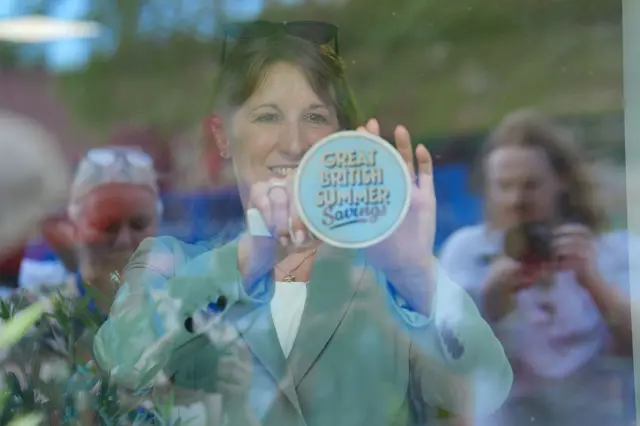 Image source,Getty Images
While the £2 cap for England is due to come into effect in January, there are other schemes that will be in place much sooner for children in the summer holidays.
Under-16s in England will get free bus journeys in August as part of former chancellor Rachel Reeves' scheme to aimed at reducing the cost of activities for families during the break.
A similar scheme began in the West of England last year, which allows under-16s to travel on buses for free in the summer holidays.
The West of England scheme runs from 18 July until Sunday 6 September, and will continue for the next three years.
It is funded by the West of England Mayoral Combined Authority and was introduced in 2025. About 1.4 million free journeys took place in its first trial year.
In London, a scheme will run from 25 July to the end of August, meaning anyone travelling on buses and trams on the weekend can make unlimited journeys for the price of a single fare, at £1.75.
Published at 07:34
'Bus price hikes led us to irreversible shift to driving'
Adam Clarkson
BBC Your Voice
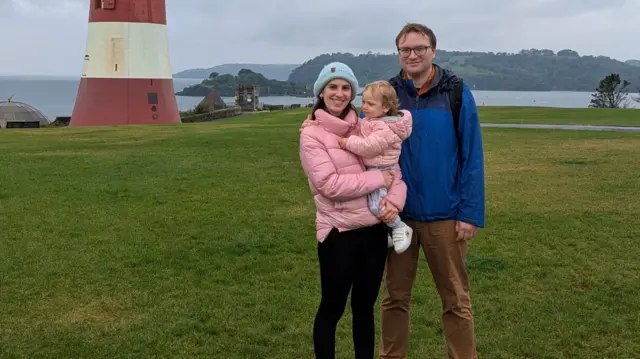 Image source, Katerina Bowes
Katerina Bowes and her husband used to take buses everyday for their commutes to work and to take their child to nursery, but as prices increased in Plymouth in 2025 the option became unaffordable for them.
The Plymouth couple ended up learning to drive and purchasing a car to save money.
"It took my husband a long time to learn as it’s very difficult to find an instructor and a test slot, but in May 2026, he passed his test. Now we almost never use buses anymore."
The 29-year-old says that even if bus prices go back down their switch to driving is "irreversible". Bowes says they've "already adopted a new lifestyle" and invested a lot of money on making the move from public transport to having their own car.
"The cap is not likely to help us. It just maybe makes us feel bitter".
BBC Your Voice
Image source, Katerina BowesKaterina Bowes and her husband used to take buses everyday for their commutes to work and to take their child to nursery, but as prices increased in Plymouth in 2025 the option became unaffordable for them.
The Plymouth couple ended up learning to drive and purchasing a car to save money.
"It took my husband a long time to learn as it’s very difficult to find an instructor and a test slot, but in May 2026, he passed his test. Now we almost never use buses anymore."
The 29-year-old says that even if bus prices go back down their switch to driving is "irreversible". Bowes says they've "already adopted a new lifestyle" and invested a lot of money on making the move from public transport to having their own car.
"The cap is not likely to help us. It just maybe makes us feel bitter".


No comments:
Post a Comment