

Editorial Staff
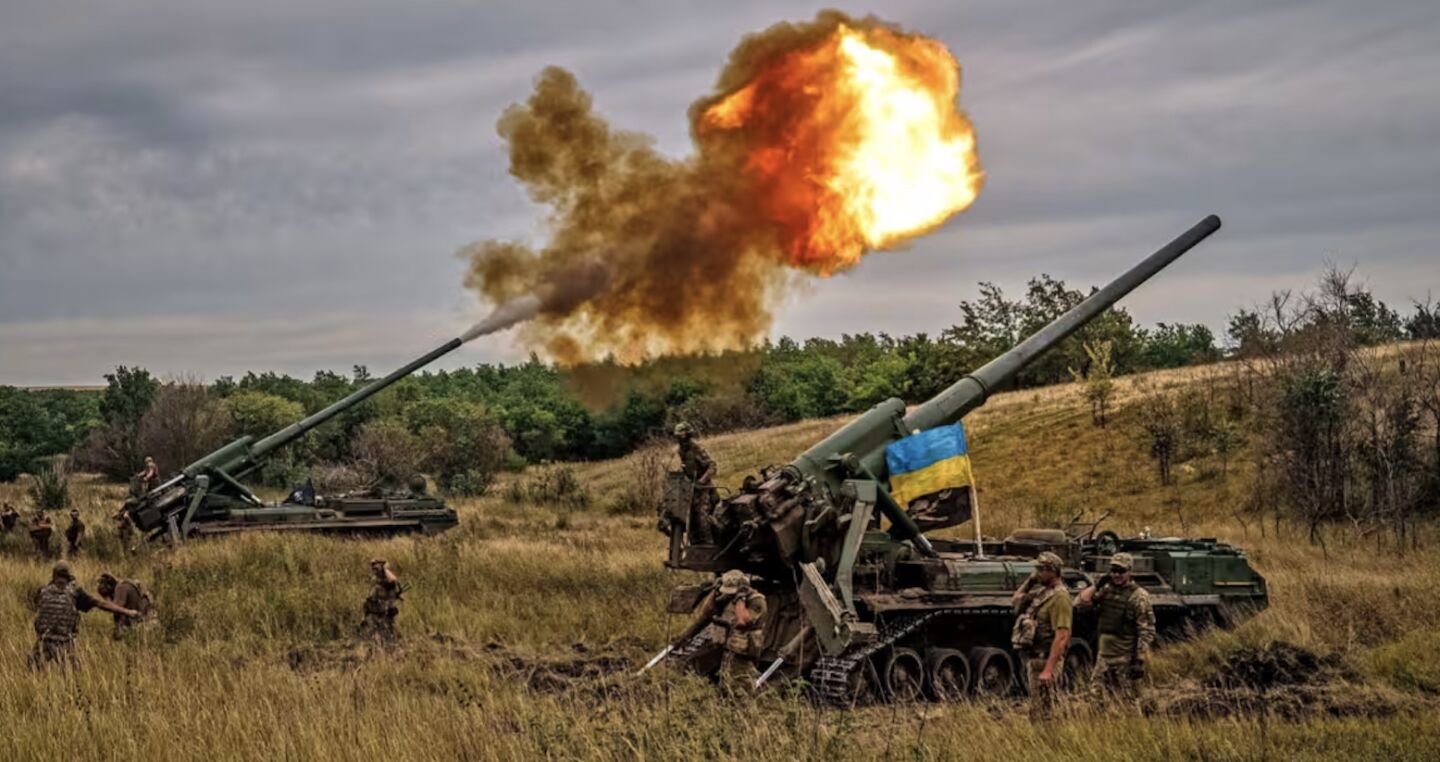 Ukrainian Artillery Units Near the Frontlines in the Kharkov/Kharkiv Region - X
Western combatants operating in the Ukrainian theatre have widely highlighted that Western militaries are poorly prepared for the kind of high intensity conflict seen in the theatre. One U.S. Armed Forces such veteran in April 2024 stressed: “In the U.S. military, we mostly have been focusing on a guerrilla war and battling insurgents, with places with Iraq and Afghanistan... We've gotten so used to the idea of just fighting guerrilla wars and f****** fighting terrorists and everything else that we kind of forgot what it means to actually fight a war.” He highlighted that training in the post-Cold War years provided little preparation for war with a peer level adversary.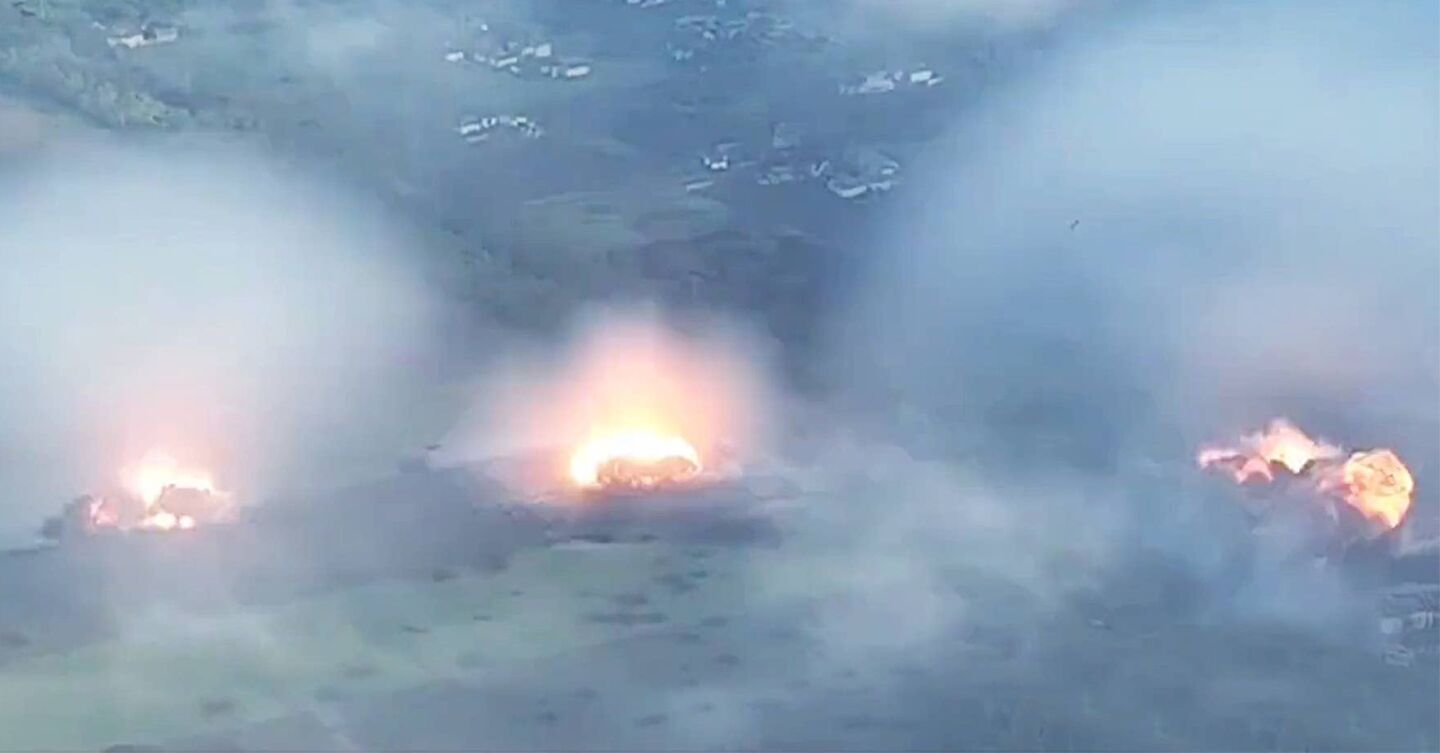 Barrage From Russian TOS-1A Rocket Artillery Systems on Ukrainian Frontlines - X
Molde’s warning reflects a growing concern within NATO that the alliance must prepare not only its armed forces but its countries’ entire national systems for a major war. The conflict in Ukraine has demonstrated that modern high-intensity warfare can consume enormous quantities of ammunition, drones, spare parts and personnel over periods lasting years. Preparing for such a conflict therefore requires governments, defence industries and civilian societies to have the capacity to sustain military operations long after the initial stocks of equipment have been exhausted.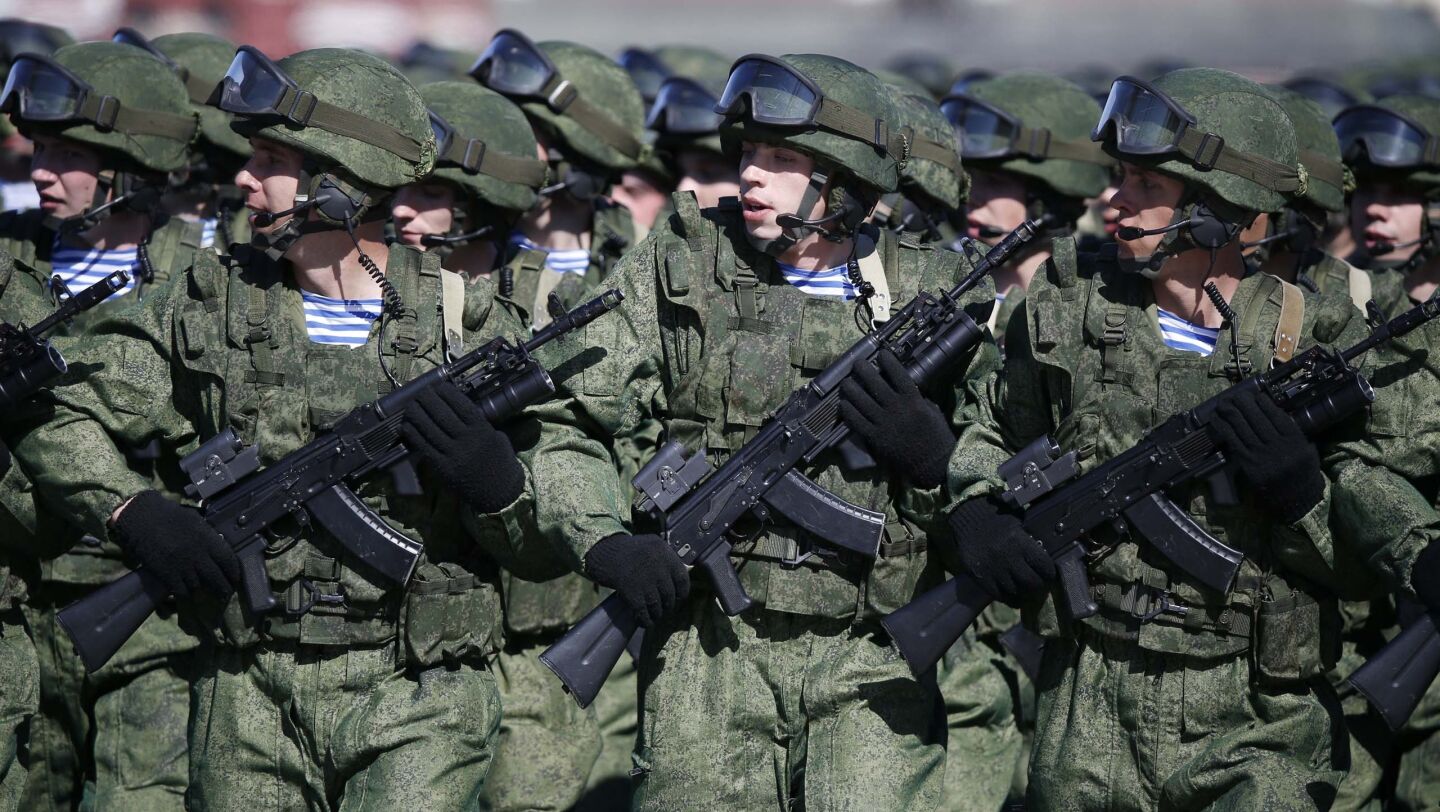 Russian Army Personnel
The problem is particularly acute for smaller European countries. Norway has a population of roughly five million, meaning that the scale of casualties experienced by Ukraine or estimated Russian losses would represent an enormous proportion of its available manpower. A Norwegian officer involved in the training effort warned that Norway “won’t exist as a nation for a very long period” if it became trapped in a similarly attritional conflict. Norway’s defence strategy must thus account for its geography and limited population, leveraging its strategically located territories in the Arctic and North Atlantic, including areas that are critical to NATO’s ability to monitor and control approaches between the Arctic and Europe.
August-27th-2026
U.S. Marines in Arctic Warfare Gear During Exercises in NorwayA senior Norwegian commander has warned that Western societies are fundamentally unprepared for a prolonged conflict on the scale and intensity of the war in Ukraine. Brigadier Atle Molde, who commands the Norway-led Task Force Legio responsible for training Ukrainian military personnel, recently warned: “We are not prepared. No Western country’s prepared.” He described avoiding a prolonged war of attrition as one of the most important lessons Norway and other Western countries should draw from Ukraine.
Ukrainian Artillery Units Near the Frontlines in the Kharkov/Kharkiv Region - XWestern combatants operating in the Ukrainian theatre have widely highlighted that Western militaries are poorly prepared for the kind of high intensity conflict seen in the theatre. One U.S. Armed Forces such veteran in April 2024 stressed: “In the U.S. military, we mostly have been focusing on a guerrilla war and battling insurgents, with places with Iraq and Afghanistan... We've gotten so used to the idea of just fighting guerrilla wars and f****** fighting terrorists and everything else that we kind of forgot what it means to actually fight a war.” He highlighted that training in the post-Cold War years provided little preparation for war with a peer level adversary.
Barrage From Russian TOS-1A Rocket Artillery Systems on Ukrainian Frontlines - XAnother U.S. veteran fighting in Ukraine observed at the time regarding the difference between the kind of wars Western militaries were accustomed to, and peer level conflicts, was that “nowhere is safe,” where in Afghanistan and Iraq “you could stand outside and have a barbecue, a sandwich, and drink” just a mile behind the frontlines. Molde’s statement thus reflects concerns widely expressed by both personnel and by senior officers in the Western world. 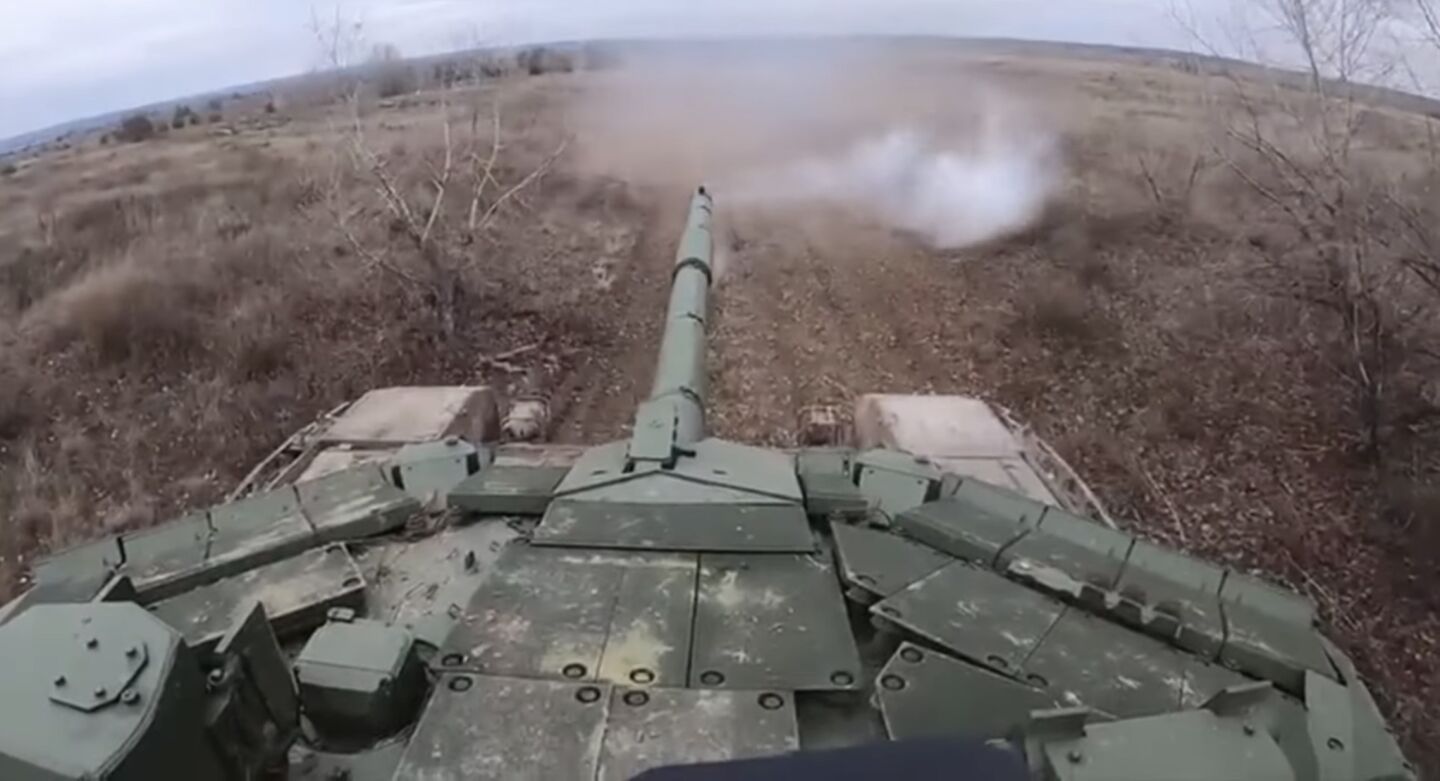 First Person View of Russian Army T-90M During Operational Deployment in the Ukrainian Theatre
First Person View of Russian Army T-90M During Operational Deployment in the Ukrainian TheatreMolde’s warning reflects a growing concern within NATO that the alliance must prepare not only its armed forces but its countries’ entire national systems for a major war. The conflict in Ukraine has demonstrated that modern high-intensity warfare can consume enormous quantities of ammunition, drones, spare parts and personnel over periods lasting years. Preparing for such a conflict therefore requires governments, defence industries and civilian societies to have the capacity to sustain military operations long after the initial stocks of equipment have been exhausted.
Russian Army PersonnelThe problem is particularly acute for smaller European countries. Norway has a population of roughly five million, meaning that the scale of casualties experienced by Ukraine or estimated Russian losses would represent an enormous proportion of its available manpower. A Norwegian officer involved in the training effort warned that Norway “won’t exist as a nation for a very long period” if it became trapped in a similarly attritional conflict. Norway’s defence strategy must thus account for its geography and limited population, leveraging its strategically located territories in the Arctic and North Atlantic, including areas that are critical to NATO’s ability to monitor and control approaches between the Arctic and Europe.


No comments:
Post a Comment